

Food and your body shouldn’t feel like a daily battle.
Therapy for Disordered Eating & Body Image Concerns in Tampa
You don’t need a diagnosis to want a healthier relationship with food and your body. At Psychology House in South Tampa, Dr. Alexandra Perrine works with women and men ages 18 and older to navigate chronic dieting, binge or emotional eating, food guilt, or negative body image, whether or not it has a name. If food and your body take up more of your life than you want them to, therapy can help you move away from shame and toward self-compassion.

Does This Sound Familiar?
You might not be sure if what you’re dealing with “counts” as a problem. You may just know that food and your body take up more of your mind than you want them to. Many people we work with describe things like:
Swinging between strict dieting and feeling out of control around food
Eating to cope with stress or difficult emotions, then feeling shame afterward
Avoiding photos, mirrors, or social plans because of how they feel in their body
Spending more time than they’d like thinking about food, weight, or appearance
If any of this sounds like you, you’re not alone, and you don’t have to wait until it gets worse to ask for support. A free 15-minute consultation is a low-pressure first step.
How Therapy with Dr. Perrine Works
Dr. Alexandra Perrine’s approach to therapy for disordered eating and body image isn’t about rigid rules or a diet plan. It’s a space to understand what’s behind your relationship with food and your body, and to change it at a pace that feels manageable.

Your first sessions
Dr. Perrine will get to know you: what’s been going on, how long it’s been affecting you, and what you’d like to be different. There’s no pressure to share more than you’re ready to, and no expectation that you already know what you want to work on.

Building New Skills
You’ll practice new ways of responding when old patterns show up, so change happens in your actual life and not just in the therapy room.
Ongoing sessions
Together you’ll look at the thoughts, feelings, and habits around food and your body. Sessions often touch on things like self-criticism, perfectionism, feeling in control, stress, relationships, and big life changes, as these tend to be connected.

Care that fits you
Every person’s pace and goals are different, so there’s no set script. If at any point a different level of support would serve you better, Dr. Perrine will talk that through with you openly. Unsure if this is the right fit? Book a free 15-minute consultation with Dr. Perrine.
Meet Dr. Alexandra Perrine
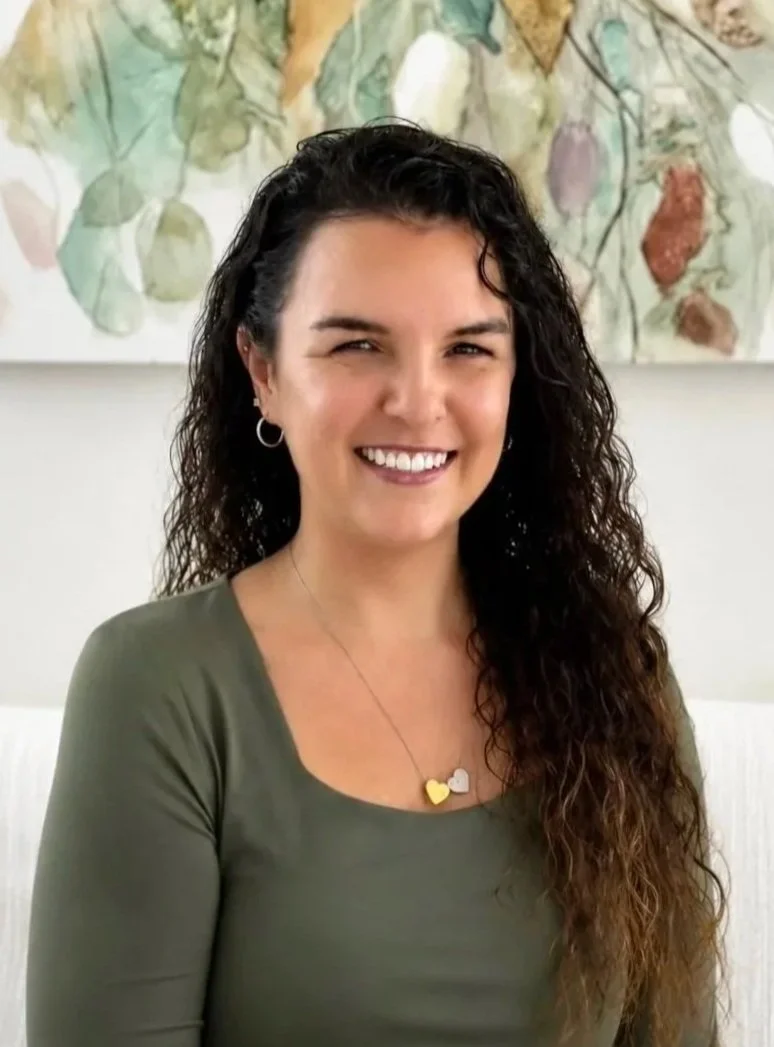
Doctoral-Level Therapist
“I am passionate about helping people build a healthier relationship with food, their bodies, and themselves. Whether you’re dealing with chronic dieting, binge or emotional eating, restrictive eating, persistent body dissatisfaction, or an eating disorder, therapy can be a place to move away from shame and toward self-compassion.
Using evidence-based treatment, I work with clients on easing guilt and anxiety around eating, interrupting the binge-restrict cycle, developing sustainable eating habits, and building a sense of self-worth that goes beyond weight or appearance.”
Not sure if this is the right fit? Book a free 15-minute consultation to talk it through.
When You May Need More Support
Weekly therapy is the right fit for many people, but not everyone. If you need medical monitoring or a more intensive program, we’ll tell you honestly and help connect you with that care. Dr. Perrine can often continue working alongside you throughout your treatment if needed.
-
No. Many people benefit from support long before anything meets diagnostic criteria. If food or how you see your body is causing distress or taking up more space than you want, that’s reason enough to reach out.
-
Disordered eating describes patterns like chronic dieting, restricting, binge eating, emotional eating, food guilt, or rigid food rules that cause distress but may not meet the criteria for an eating disorder. It’s common, and therapy can help.
-
Yes. Dr. Perrine works with binge eating, emotional eating, and the binge-restrict cycle, looking at what drives these patterns and building a steadier, more sustainable relationship with food.
-
Yes. Dr. Perrine works with eating disorders. However, if you need a higher level of care, such as medical monitoring or an intensive program, we’ll tell you honestly and help connect you with it.
-
If thoughts about your body affect your mood, relationships, or choices, such as feeling guilty or isolating yourself when eating, looking at yourself excessively in the mirror, avoiding photos or social plans, it’s worth talking to someone. You don’t need to be at a breaking point to ask for support.
-
It’s a brief, no-pressure call to share what’s going on, ask questions, and see whether working with Dr. Alexandra Perrine feels like a good fit. It isn’t a therapy session, and there’s no obligation to continue.
FAQs About Therapy for Disordered Eating & Body Image
Office Information
Our office is conveniently located in South Tampa. Just minutes from Hyde Park, Davis Island, and Westshore.
Address
3414 W Bay to Bay Blvd Suite 100 Tampa, FL 33629
Hours
Monday–Friday | 9am–5pm
Call or text
(813) 736-6281
Email
CareTeam@PsychologyHouse.org
We welcome referrals from psychiatrists, PCPs, therapists, & Treatment Centers
Choose your path to care
Pick the option that works best for you
📞
Contact us now
Call, text, or email—our CareTeam is available Monday through Friday from 9a - 5p
📆
Schedule a call
Book a New Client Inquiry & Setup Call with our CareTeam at a time that’s best for you
✏️
Submit an intake form
Request a free consultation or first session & match with a clinician on our team
Resource Library
Checkout free resources on Distorted Eating & Body Image from our library.
-
Not sure if it's dieting or disordered eating? Learn the signs your relationship with food needs support, even without an eating disorder.
-
Disordered eating in men is more common than most people realize, it’s easy to miss, and it’s very treatable. In this guide, we’ll walk through what it looks like, why so many guys slip under the radar, and how to get support here in Tampa, whether you’re asking for yourself or for someone you care about.